Air Cooler vs. Air conditioner: Choosing the right Cooling Solution for your needs
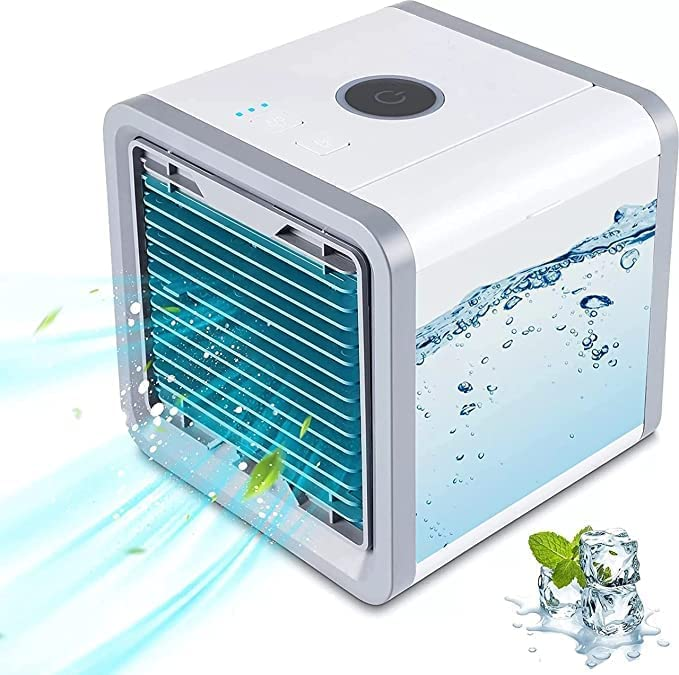
When temperatures rise, finding an effective way to 冷風機 stay cool becomes a top priority for homes and offices alike. Among the most popular options for cooling indoor spaces are air coolers and air conditioners. While both are designed to bring relief from heat, they operate differently and offer distinct advantages depending on climate, budget, and usage requirements. Understanding the differences between these two cooling solutions can help consumers make informed decisions that align with their comfort preferences and energy efficiency goals.
An air cooler, also known as an evaporative cooler, functions by using water to cool the air. It draws in hot air, passes it through water-saturated pads, and blows out cooler, moistened air into the room. This method is most effective in dry and arid climates, where humidity is low and evaporation happens quickly. Air coolers consume significantly less electricity compared to air conditioners, making them a cost-effective and environmentally friendly option. They are also portable, lightweight, and easier to maintain, which adds to their appeal for those seeking a simple cooling solution.
On the other hand, an air conditioner (AC) uses refrigerant-based technology to cool and dehumidify the air. Ac units extract warm air from a room, process it through a cooling coil, and release cold air back into the space. This closed-loop system is ideal for hot and humid conditions, as it not only cools but also reduces moisture in the air, making the environment more comfortable. However, air conditioners consume more electricity and require proper installation and regular servicing, which can lead to higher operational and maintenance costs.
When considering energy efficiency, air coolers have a clear advantage due to their lower power consumption. They typically use only a fraction of the energy needed to run an Ac unit, which translates into reduced electricity bills and a smaller carbon footprint. However, their performance is limited in highly humid regions, where added moisture can make the indoor environment uncomfortable. Air conditioners, while energy-intensive, offer precise temperature control and consistent cooling regardless of outdoor weather conditions, making them more versatile for varied climates.
Maintenance and installation are also important factors to weigh. Air coolers are user-friendly and usually just need regular cleaning of water tanks and pads. They can be set up easily without professional help. In contrast, air conditioners require professional installation and routine servicing, such as refrigerant checks, filter replacements, and coil cleaning. These added requirements can increase long-term costs and may be inconvenient for some users. However, for larger spaces and year-round usage, the investment in AC maintenance can be justified by the comfort it provides.
In conclusion, choosing between an air cooler and an air conditioner depends on your specific needs, budget, and local climate. Air coolers are ideal for dry regions and those looking for an economical, eco-friendly solution with low maintenance. Air conditioners, however, are better suited for hot and humid climates where stronger and more consistent cooling is necessary. Both options have their merits, and with thoughtful evaluation, homeowners and businesses can select the cooling system that delivers optimal comfort and efficiency for their lifestyle.